July 24, 2026
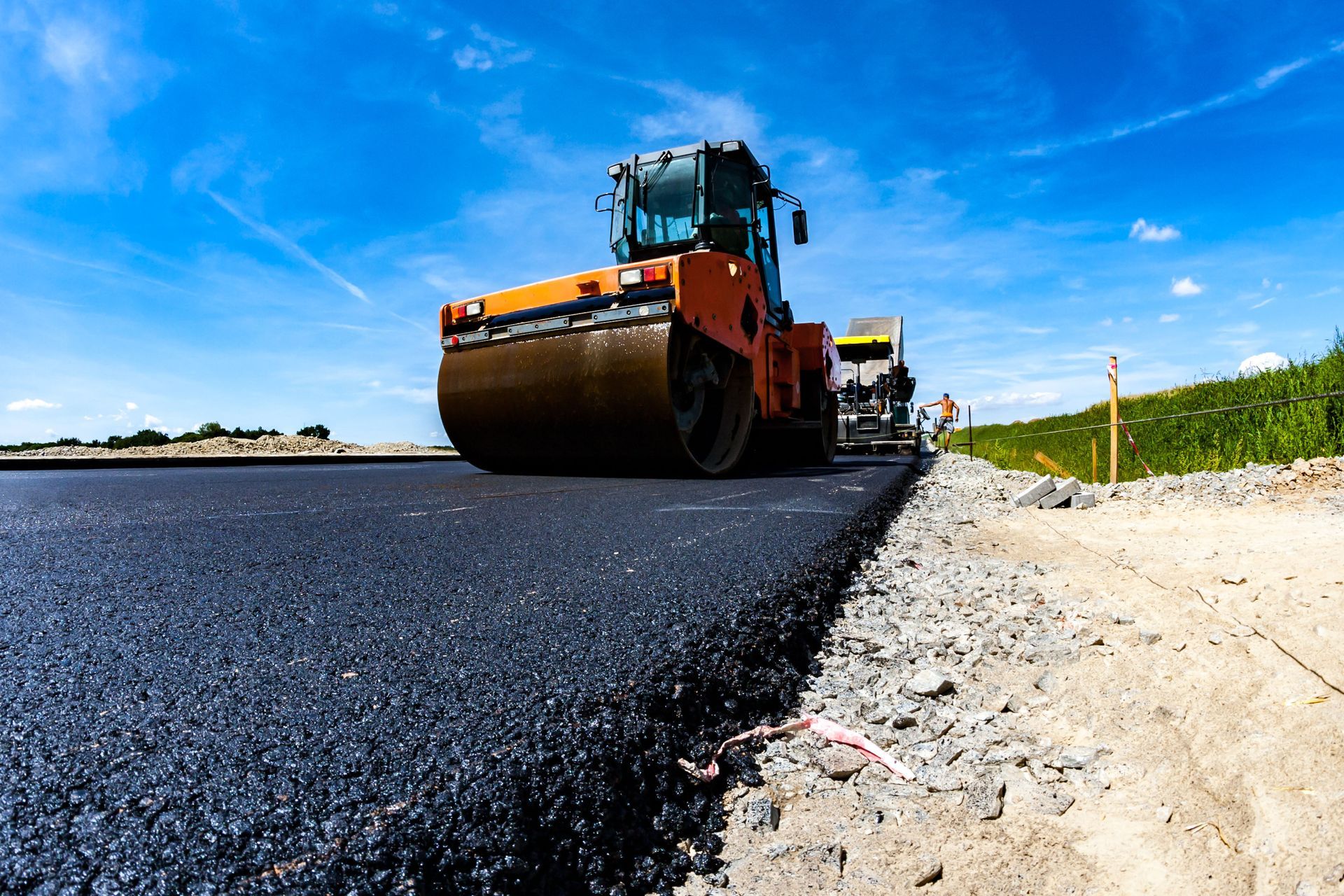
When people think about a new asphalt surface, they often focus on the finished appearance. A smooth driveway or parking area certainly improves curb appeal and functionality, but the visible surface is only one part of a successful paving project. What lies beneath the asphalt often determines whether the pavement performs well for years or develops premature issues.
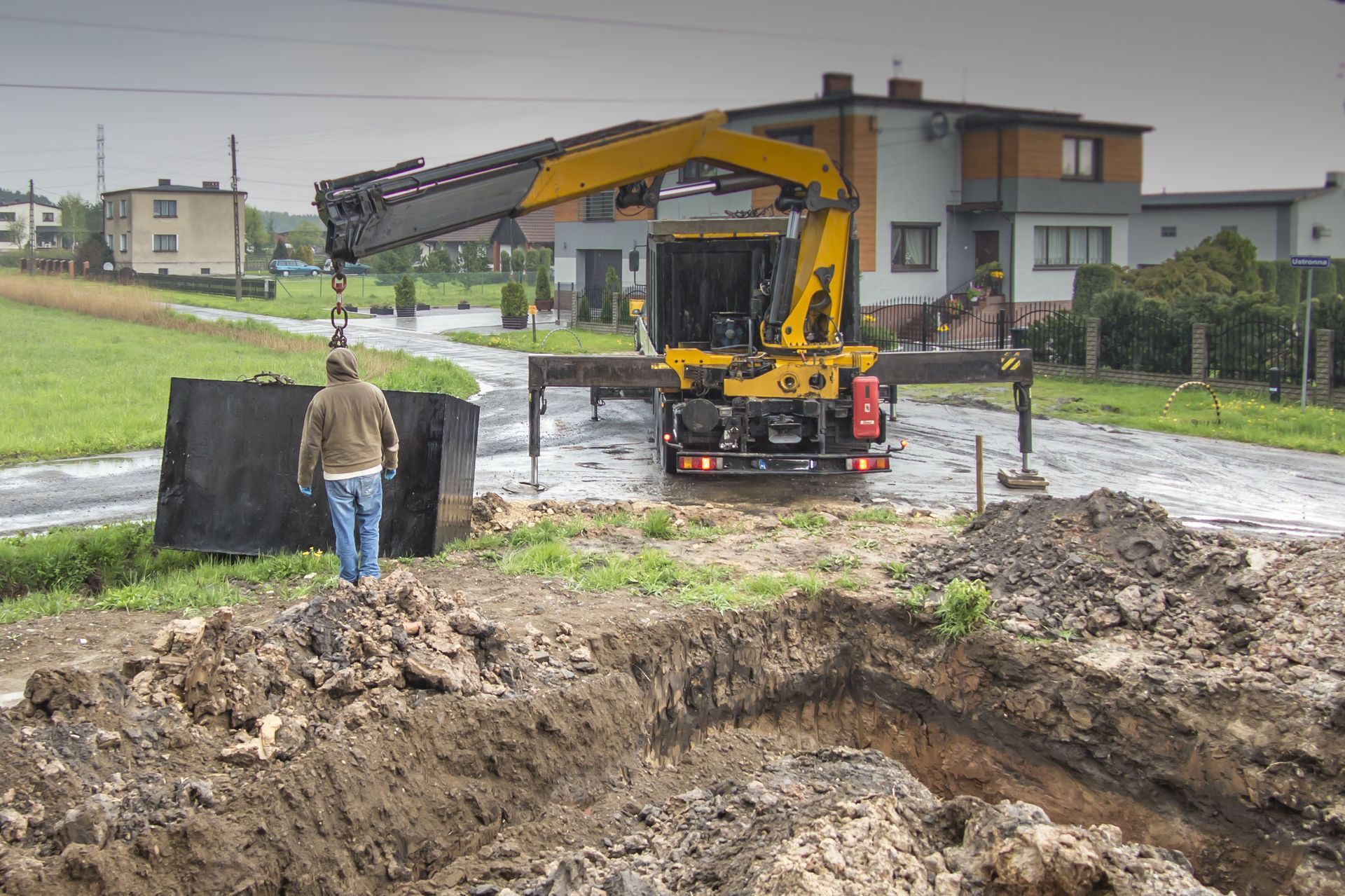
For this reason, every experienced asphalt contractor understands that proper excavation is one of the most important stages of construction. Deep excavation creates the foundation that supports the pavement above, helping it withstand changing weather conditions, vehicle traffic, and natural ground movement.
Although excavation may not be the most noticeable part of the process, it plays a critical role in the overall longevity and performance of paved surfaces. Understanding why deep excavation matters can help property owners appreciate the value of proper site preparation and the long-term benefits it provides.
Creating Stronger Structural Support
One of the primary reasons an asphalt contractor prioritizes deep excavation is to establish a stable base. Asphalt itself is flexible, but it still relies on the layers beneath it for support. If the underlying materials are weak or unstable, the pavement may begin to shift, crack, or sink over time.
Deep excavation allows crews to remove unsuitable soil and replace it with carefully selected aggregate materials. These materials can then be compacted to create a strong foundation capable of supporting regular use.
Without adequate excavation, existing soil conditions may remain hidden beneath the surface. Soft areas, organic materials, and unstable ground can all compromise pavement performance. By excavating thoroughly, paving professionals reduce the risk of future structural problems and create conditions that support long-term durability.
A properly prepared foundation also distributes weight more evenly. Whether the pavement serves residential traffic or heavier commercial vehicles, balanced load distribution helps reduce stress throughout the entire paved area.
Preventing Future Settlement Issues
Settlement occurs when the ground beneath the pavement shifts or compresses after construction. This movement can create depressions, uneven surfaces, and drainage problems that affect both appearance and functionality.
Deep excavation helps address settlement concerns before paving begins. By removing weak materials and compacting replacement layers properly, contractors create a more uniform foundation that is less likely to move over time.
An experienced asphalt contractor recognizes that settlement often begins below the surface. Even if pavement initially appears smooth, hidden weaknesses can eventually reveal themselves through dips and low spots.
Careful excavation also provides an opportunity to identify site-specific challenges. Soil conditions can vary significantly across a property, and some areas may require additional preparation to achieve consistent stability. Addressing these concerns during excavation helps prevent costly repairs later.
When settlement is minimized, property owners benefit from smoother pavement, improved safety, and a longer-lasting investment.
Improving Drainage Performance
Water is one of the most significant threats to asphalt pavement. If moisture accumulates beneath the surface, it can weaken the foundation and contribute to cracking, movement, and deterioration.
Deep excavation allows paving professionals to create a base that promotes effective drainage. Proper grading and carefully installed aggregate layers help direct water away from the pavement structure rather than allowing it to collect underneath.
This attention to drainage is particularly important because water-related damage often begins out of sight. Surface water may appear harmless, but moisture trapped below the pavement can gradually undermine the entire structure.
According to This Old House, the typical excavation depth for an asphalt driveway falls between eight and twelve inches, though adjustments are made based on site conditions and project requirements. This depth helps provide enough space for a properly constructed base that supports both stability and drainage.
An asphalt contractor who prioritizes excavation understands that controlling water movement is essential for preserving pavement integrity. Effective drainage contributes significantly to long-term performance and reduces the likelihood of premature damage.
Accommodating Changing Soil Conditions
Every property presents unique challenges beneath the surface. Soil composition can vary widely depending on location, environmental conditions, and previous land use. Some soils offer excellent support, while others may expand, contract, or retain excessive moisture.
Deep excavation allows contractors to evaluate and address these conditions before paving begins. Rather than building directly over problematic soils, crews can remove unsuitable materials and install a more dependable foundation.
An experienced asphalt contractor knows that successful paving requires adapting to the specific needs of each site. What works well in one location may not provide adequate support in another.
Certain soils are particularly vulnerable to movement during wet or dry periods. These fluctuations can place stress on pavement and contribute to cracking. By replacing unstable materials with properly compacted aggregate, contractors help reduce the impact of these natural changes.
This proactive approach allows the pavement structure to perform more consistently despite environmental variations and changing ground conditions.
Supporting Long-Term Pavement Durability
Durability is one of the most important goals of any paving project. Property owners expect their investment to provide reliable performance for many years, and deep excavation plays a major role in achieving that objective.
When a pavement system is built on a properly prepared foundation, it is better equipped to handle everyday stresses. Vehicle traffic, weather exposure, and seasonal changes all place demands on the surface and supporting layers.
A knowledgeable asphalt contractor understands that durability begins long before asphalt is installed. The strength of the foundation influences how well the pavement resists cracking, rutting, and other common forms of deterioration.
Deep excavation also helps ensure that the various layers of the pavement system work together effectively. Each component serves a specific purpose, and proper site preparation allows those components to perform as intended.
The result is a pavement structure that remains functional and attractive for a longer period, helping property owners maximize the value of their investment.
Enhancing Surface Appearance
While structural performance is essential, appearance also matters. Property owners often choose asphalt because of its clean, professional look. Maintaining that appearance requires a stable and properly prepared foundation.
Deep excavation contributes to a smoother finished surface by creating uniform support throughout the project area. When the foundation is consistent, the asphalt above is less likely to develop irregularities that affect visual appeal.
An asphalt contractor who invests time in excavation is also investing in the final appearance of the pavement. Uneven settlement, surface depressions, and drainage-related issues can all diminish curb appeal over time.
Reducing Long-Term Maintenance Needs
Every paved surface requires maintenance at some point, but proper excavation can help reduce the frequency and severity of future repairs.
When pavement is constructed on a stable foundation, it is generally less susceptible to structural problems that require extensive corrective work. Cracking, settlement, and drainage-related issues often develop more slowly when the base has been properly prepared.
A professional asphalt contractor focuses on long-term performance rather than short-term results. Investing in thorough excavation at the beginning of a project can help minimize future maintenance concerns and support a more predictable pavement life cycle.
This approach benefits property owners by reducing disruptions and helping them avoid unnecessary repair expenses. While no pavement lasts forever, a strong foundation provides a significant advantage when it comes to long-term reliability.
Deep excavation is much more than an early step in the paving process. It is the foundation upon which the entire pavement system depends. By removing unsuitable materials, improving drainage, addressing soil conditions, and creating a stable base, excavation helps support the long-term success of asphalt surfaces.
Every experienced asphalt contractor understands that lasting pavement begins below the surface. When excavation is performed properly, the benefits extend throughout the life of the pavement, contributing to durability, appearance, safety, and overall performance.
If you are planning a paving project, our team at McKenzie Paving and Roofing can help you understand the importance of proper site preparation and provide solutions designed to support long-lasting results. Contact us today to learn more about how professional excavation contributes to successful asphalt paving projects.