August 7, 2026
Understanding the physical composition of outdoor surfaces is essential for homeowners and business managers seeking long-lasting exterior improvements. Paved surfaces endure constant exposure to heavy vehicle loads, changing weather conditions, and thermal stress over many years. Exploring how high-quality materials work together helps property owners make smart decisions for driveways, parking lots, and access roads.
Analyzing the Core Ingredients of Modern Pavements
Every durable paved surface relies on a carefully balanced mix of raw materials engineered to withstand environmental wear. According to the National Asphalt Paving Association, asphalt pavement material is a combination of approximately 95% stone, sand, or gravel bound together by asphalt cement. The stone and sand aggregates form the structural backbone of the pavement, providing mechanical strength and load-bearing capacity. Meanwhile, the liquid binder acts as a strong glue, coating every particle to seal out moisture and prevent structural shifting.
The selection of aggregate sizes directly affects how well the surface performs under daily traffic. Coarse gravel provides internal stability against heavy vehicle weights, while finer sand particles fill tiny gaps to create a tight, uniform layer. The liquid binder remains flexible after installation, allowing the paved layer to bend slightly under heavy loads without cracking. Balancing these raw materials ensures that driveways and parking structures remain resilient over years of continuous use.
High-grade paving mixtures are carefully customized based on specific project requirements and expected traffic volumes. Commercial parking lots carrying delivery trucks require a different aggregate blend than residential driveways meant for standard vehicles. Selecting the right combination of stone, sand, and liquid binder ensures optimal performance for every unique installation.
Preventing Water Infiltration and Freeze Thaw Damage
Water penetration represents one of the most destructive threats to paved outdoor surfaces. When rain or melting snow seeps into unsealed pores, it gradually weakens the underlying soil foundation. During colder months, trapped water expands as it freezes, exerting immense pressure against the internal structure of the material. This repeated freezing and thawing process causes fine surface lines to widen into deep potholes and severe structural failures.
A well-formulated asphalt mixture forms a dense, water-resistant barrier that protects against moisture penetration. Properly compacted surfaces guide surface runoff toward drainage systems rather than allowing water to pool on the surface. Maintaining proper surface density prevents moisture from reaching the sub-base, preserving the structural integrity of the entire pavement system.
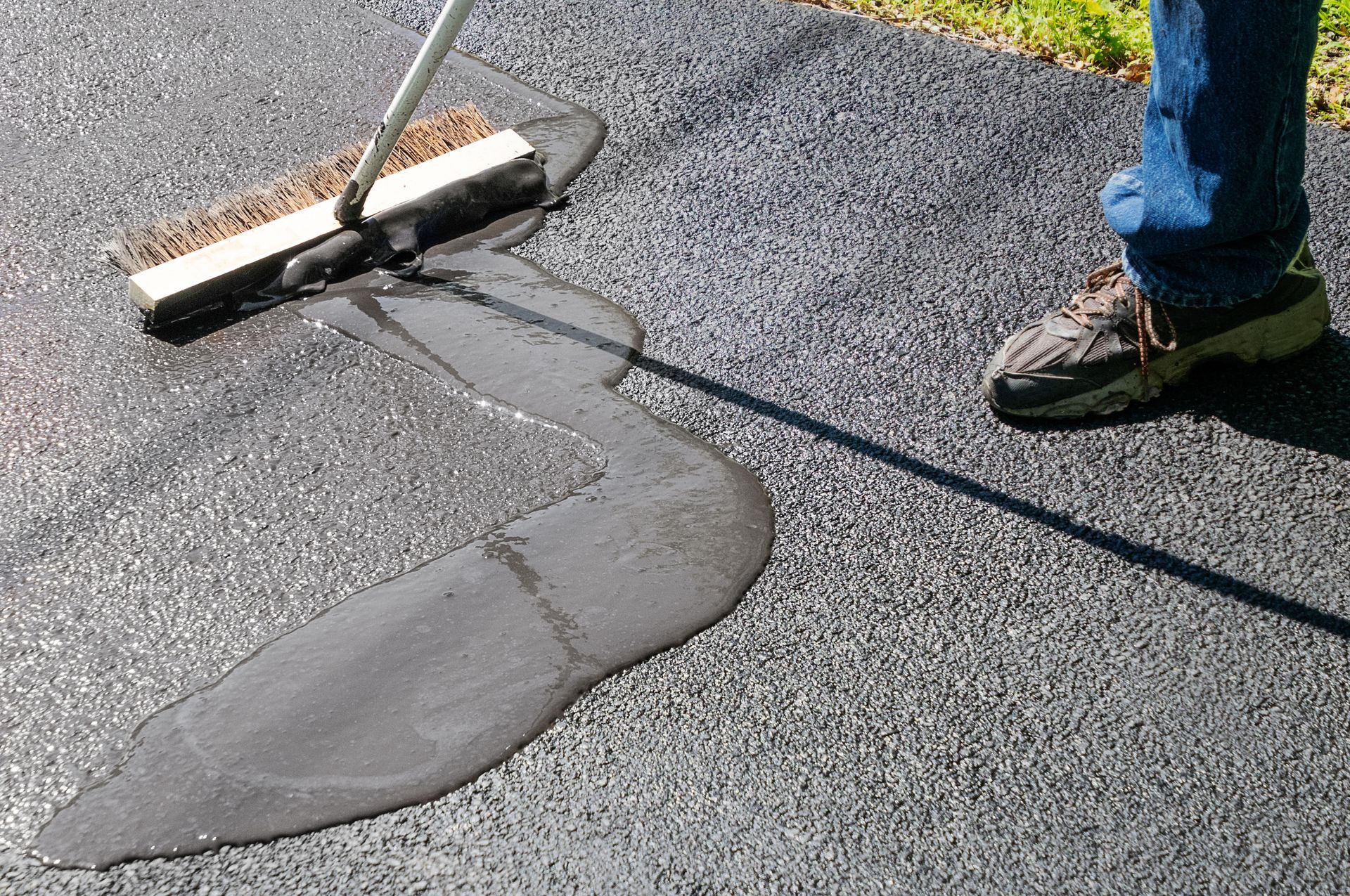
In addition to initial installation density, applying protective seal coats provides an extra defense against water damage. Sealcoating restores essential oils to aging surfaces while sealing hairline fractures before water can penetrate the lower layers. Proactive moisture management significantly extends the lifespan of driveways and commercial access roads.
Adapting to Thermal Expansion and Seasonal Stress
Surfaces exposed to direct sunlight experience extreme temperature swings throughout the year. Hot summer weather causes surface materials to expand, while cold winter conditions force them to contract. Rigidity in building materials can lead to widespread cracking when subjected to these continuous thermal cycles. Flexible paving materials adapt naturally to seasonal temperature shifts, absorbing thermal stress without fracturing or buckling.
The liquid binder within an asphalt mix provides vital elasticity, allowing the surface to flex under thermal pressure. This internal flexibility allows driveways and parking lots to handle extreme heat waves without softening excessively or developing permanent tire ruts. During freezing conditions, the material maintains its structural bond, resisting brittle fractures caused by low temperatures and shifting ground frost beneath the surface.
Engineers select specific binder grades tailored to local climate conditions to maximize long-term performance. Tailoring the mixture to regional weather patterns ensures that paved surfaces remain smooth, level, and structurally sound year-round, regardless of sudden temperature drops or prolonged heatwaves. Understanding these thermal properties helps property owners choose resilient, long-lasting solutions built to withstand tough local weather conditions.
Supporting Heavy Traffic Loads and Structural Weight
Vehicles exert significant downward and lateral force on driveways, roadways, and parking areas. Over time, continuous weight causes weak or poorly constructed surfaces to sag, rut, or crumble along the edges. The internal stone matrix of a high-quality asphalt pavement distributes heavy axle loads evenly across the underlying sub-base foundation. This load-spreading capability prevents localized settling, reduces surface deflection, and keeps the driving area level under heavy, continuous use.
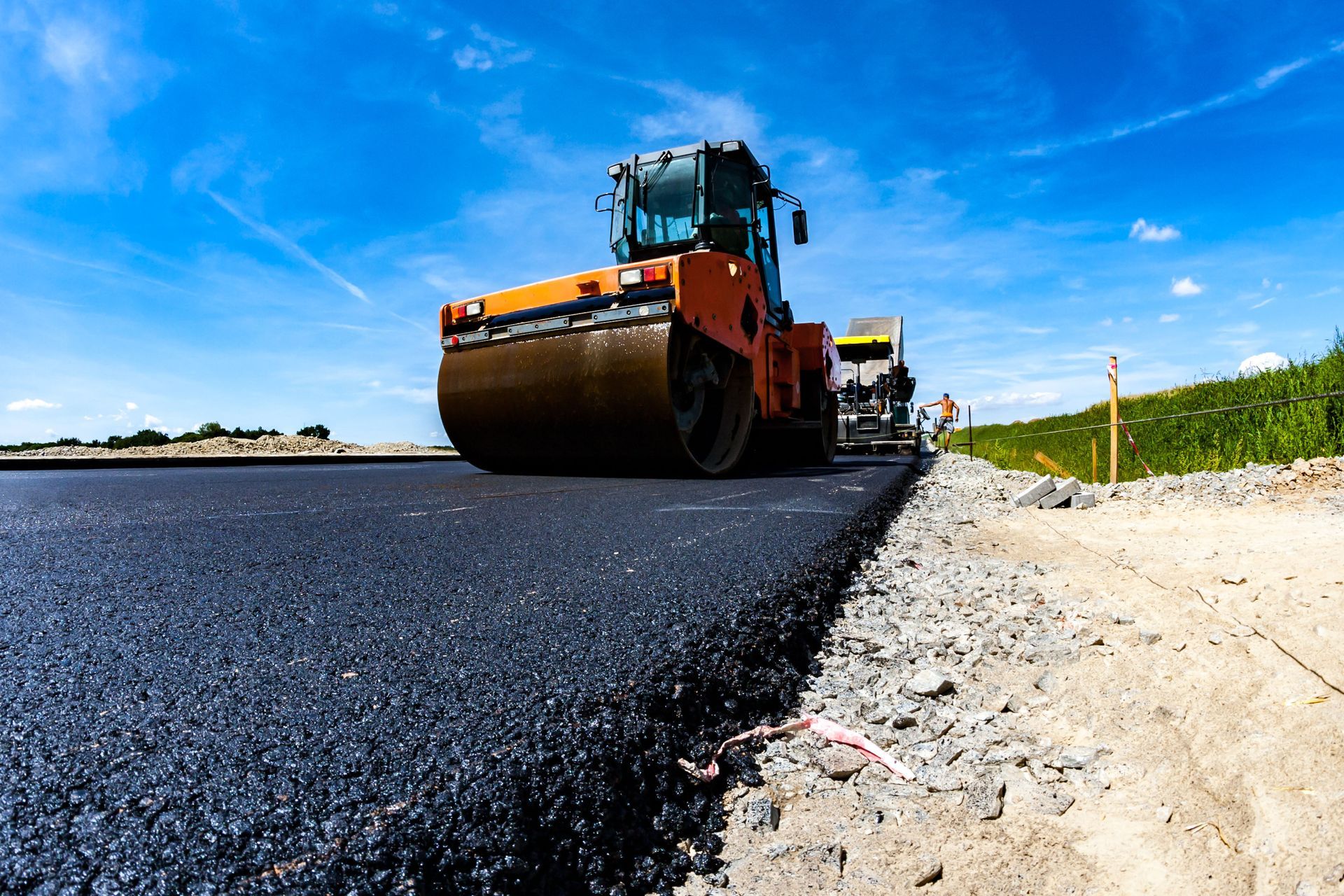
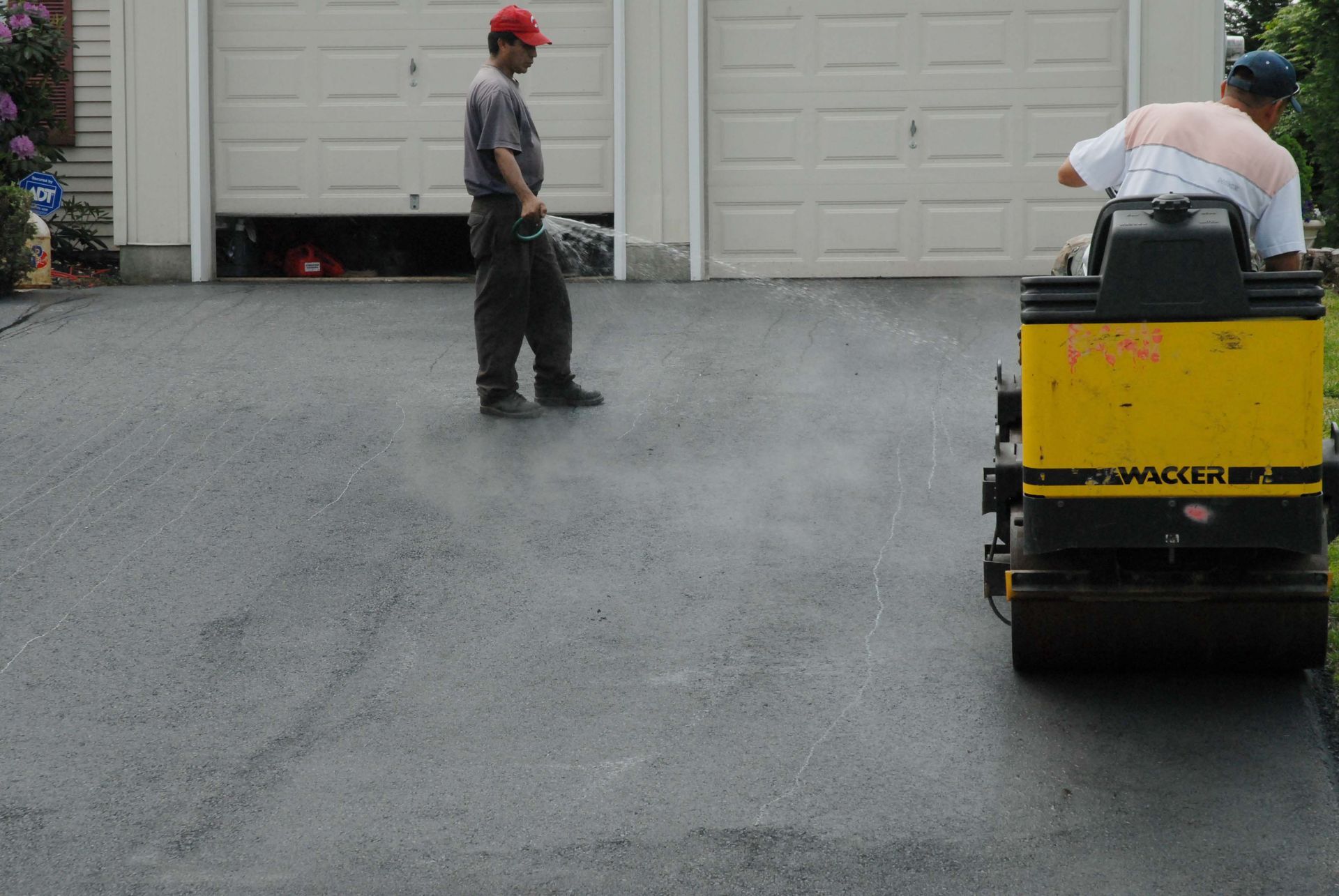
Proper site preparation and mechanical compaction are just as important as the material composition itself. A solid, properly graded sub-base foundation provides essential underlying support, preventing deep structural shifting beneath the paved top layer. Heavy-duty rollers compact the hot mix on site, driving out excess air voids and locking aggregate stones together to form an interconnected structural matrix.
Commercial properties that host heavy delivery trucks, emergency vehicles, or industrial equipment benefit immensely from custom-designed paving layers. Increasing the thickness of the stone base and top surface layers creates a long-lasting barrier against deep rutting, edge cracking, and structural fatigue. Investing in proper structural design guarantees that paved areas remain safe, smooth, and fully functional for decades.
Maximizing Long Term Value Through Proactive Maintenance
Even the highest-grade paving mixtures require routine inspection and maintenance to achieve their full potential lifespan. Over time, exposure to ultraviolet rays and automotive fluids gradually breaks down the outer binder layer, causing the surface to fade from deep black to light grey. As the binder oxidizes, surface aggregates can loosen, making the pavement far more susceptible to daily wear, raveling, and water penetration.
Scheduling timely repairs for minor cracks prevents small surface issues from deteriorating into widespread structural problems. Professional patching and resurfacing restore smooth driving conditions while protecting the underlying base layer from further moisture damage. Regular application of protective sealants shields the binder from harsh UV oxidation and aggressive chemical spills, preserving essential flexibility and internal strength over many years.
Choosing experienced professionals for paving installation and ongoing maintenance guarantees that materials are mixed, laid, and compacted to exact technical standards. Trained technicians use specialized machinery to seal vulnerable joints, level depressed areas, and apply durable topcoats evenly. Proper installation techniques combined with routine care double the effective service life of driveways and parking facilities. Taking a proactive approach to pavement management preserves property aesthetics, prevents trip hazards, and saves property owners substantial money on major reconstruction costs over time.
Partnering with Experienced Paving Professionals
Understanding material composition highlights why professional expertise is critical for successful paving projects. From initial site grading and sub-base preparation to precision compaction and surface sealing, every phase requires technical skill and specialized equipment. Attempting to manage complex asphalt installations without specialized machinery often leads to poor compaction, uneven drainage, and premature surface breakdown. Working with established local contractors ensures that your paving investment is engineered for long-term durability and visual appeal.
Whether you need a new residential driveway, commercial parking lot resurfacing, or targeted pavement repairs, expert contractors deliver reliable results tailored to your property. Qualified paving specialists evaluate local soil conditions, anticipate expected traffic volumes, and apply the correct asphalt mix to guarantee structural resilience. Quality materials, proper drainage design, and professional execution come together to create smooth, durable surfaces that enhance curb appeal, protect against costly future repairs, and boost overall property value.
To protect your property investment and secure long-lasting paving solutions for your home or business, contact the experienced team at McKenzie Paving and Roofing today for a consultation and free estimate.