June 28, 2026
Regular maintenance of asphalt surfaces is crucial for prolonging their lifespan and ensuring safety. Many property owners overlook routine maintenance, leading to higher costs and deteriorating pavement quality. The financial scale of this infrastructure is immense, as, according to IBISWorld, the total market size for the United States paving contractor sector is expected to hit $17.6 billion by 2026. By adhering to specific maintenance strategies, individuals and businesses can preserve the aesthetic and functional qualities of their asphalt investments. Effectively maintaining asphalt involves understanding potential risks and implementing preventative measures. In this comprehensive guide, we provide essential tips to help you master asphalt paving care and achieve long-lasting results.
Regular Inspection and Assessment
Establishing a Routine Inspection Schedule
Regular inspections are the cornerstone of effective asphalt paving maintenance. Establishing a schedule ensures that any emerging problems are detected early, reducing the potential for extensive damage. A consistent examination process should detect surface variations, wear patterns, and initial signs of distress. Property managers should document each inspection cycle, noting any required repairs, weather impacts, or adjustments in traffic. Systematic inspections prevent minor issues from escalating into costly repairs or replacements.
Identifying Common Pavement Issues
Recognizing early signs of wear, such as cracks and potholes, is an essential skill for any asphalt caretaker. Small cracks can develop into larger fissures, which compromise structural integrity if unaddressed. Drainage issues often accompany these problems, further aggravating surface conditions and leading to water-related erosion. Observing the pavement for pooling water or discolored patches can indicate hidden problems beneath the surface. Armed with the knowledge of common pavement concerns, property owners can swiftly act to prevent future complications.
Documenting Problem Areas
Detailed documentation of every issue and observed irregularity is vital for tracking repair needs and monitoring surface trends. By keeping a log, property managers reference past problems, treatments applied, and their outcomes. This record becomes a valuable resource, showcasing the effectiveness of different maintenance methods and guiding future decisions. In partnerships with contractors, comprehensive documentation fosters transparency, resulting in improved service delivery. Proper documentation ensures continuity in maintenance efforts, especially crucial for multi-owner properties.
Evaluating Traffic Patterns
Understanding how traffic patterns impact pavement deterioration helps in prioritizing maintenance efforts. Areas with heavy vehicle usage or distinct braking patterns often exhibit accelerated wear, demanding targeted interventions. Evaluating traffic influences enables planners to implement specially designed solutions, such as reinforced overlays or custom drainage. Optimizing traffic flow not only protects the asphalt paving but also enhances user experience and safety. Occasional traffic mock-ups and simulations contribute to data-driven maintenance approaches, enhancing both efficiency and longevity.
Using Technology for Accurate Assessments
State-of-the-art technology offers new dimensions in pavement assessment, providing detailed and actionable insights. Modern tools like drones equipped with thermal imaging identify sub-surface vulnerabilities invisible to the naked eye. Various mobile apps and software assist in organizing inspection tasks, compiling data, and alerting managers to maintain schedules. These technologies reduce the time and resources traditionally consumed by manual evaluations. By adopting these advanced assessment tools, maintenance planning embraces precision, timely action, and strategic resource allocation.
Importance of Sealcoating
How Sealcoating Protects Asphalt
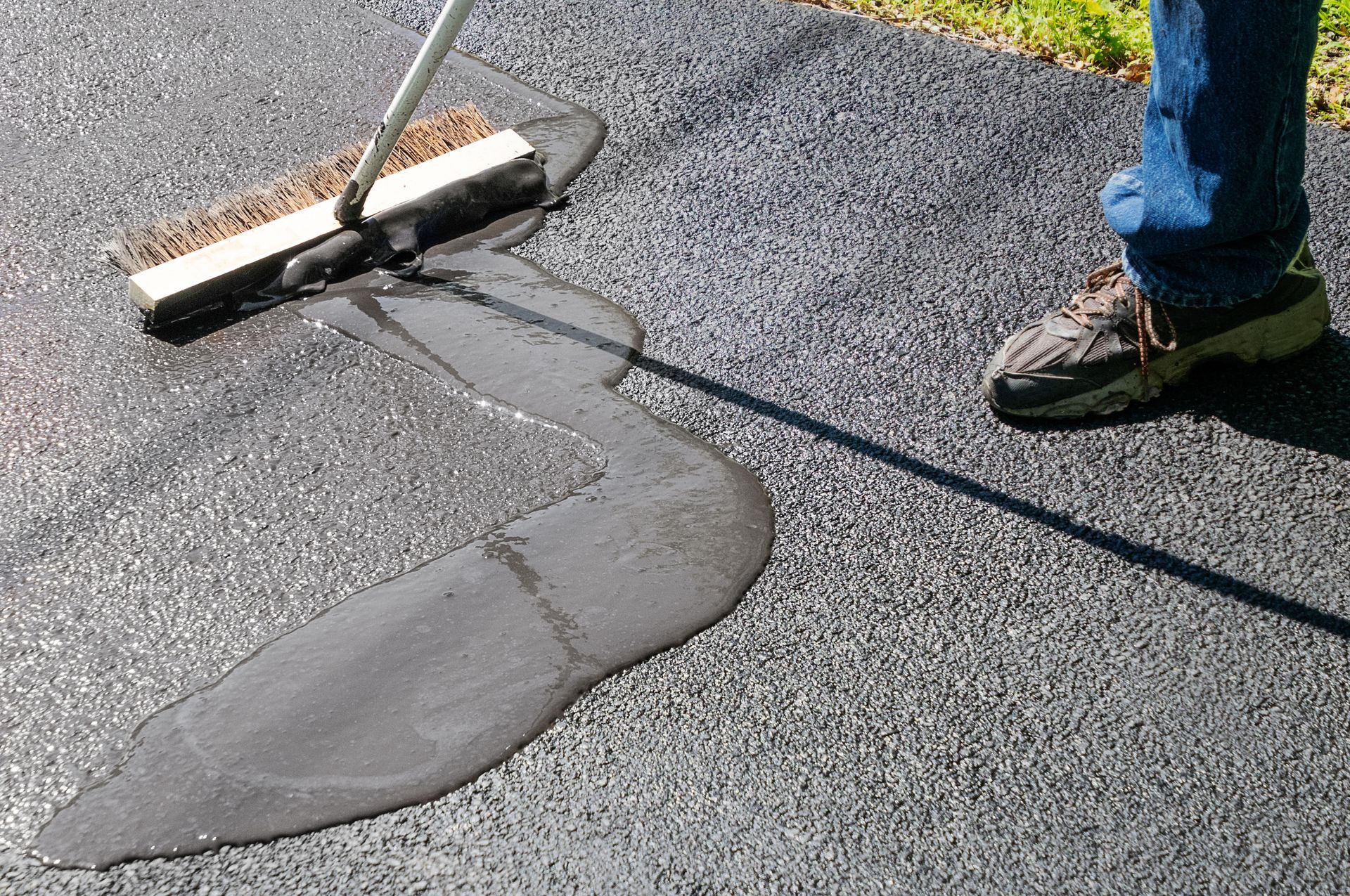
Sealcoating plays a pivotal role in defending asphalt paving against various elements that lead to premature wear and tear. It forms a protective surface that counters the damaging effects of UV rays, oil spills, and oxidation, effectively reinforcing structural integrity. The layer additionally acts as a moisture repellent, thwarting water penetration that commonly exacerbates cracks and deters surface cohesion. Aside from durability benefits, a well-maintained sealcoat enhances the visual appeal, fostering an inviting appearance that boosts property value. By shielding a pavement through sealcoating, repairs are minimized, prolonging its operational lifespan.
Scheduling Regular Sealcoating Applications
The timing and frequency of sealcoating applications are influenced by factors like climate, usage intensity, and original surface condition. In regions with harsh weather conditions, more frequent applications may be necessary to maintain an effective barrier against natural aggressors. For heavy-traffic areas, a tighter scheduling regimen reinforces wear resistance, delivering consistent performance. Regular visual inspections act as a baseline for scheduling, highlighting readiness of the surface for the next application. Well-executed scheduling ensures that property managers align with overlooked maintenance parcels, efficiently safeguarding investment longevity.
Choosing the Right Sealcoat Product
Selecting the right sealcoat product hinges on evaluating specific project requirements, including durability expectations and environmental considerations. Coal tar sealants, known for superior resilience and stain resistance, are widely adopted despite environmental debates over their formula. Asphalt emulsion alternatives serve environmentally conscious projects, offering low PAH levels without sacrificing protective benefits. Supplier consultation and comprehensive product literature guides informed product selection, aligning use cases and effectiveness. Ultimately, prioritizing well-suited products bolsters the synergy between surface application and anticipated outcome definitions.
Following sealcoat application, careful maintenance practices enhance the protective layer's effectiveness, facilitating optimum surface performance. Properties must institute traffic moratoriums for a specified period post-application to guarantee adequate curing and penetration results. Regular surface inspections further underscore any upcoming retreatment needs, addressing immediate threats and promoting uniformity. Performing timely cleaning of surface debris and abrasive substances extends the surface refresh, rejuvenating both function and visual appeal. Best maintenance practices paired with strategic observations herald a sustainable framework for conserving sealcoat efficacy.
Cost-effective Maintenance Solutions
Prioritizing Maintenance Tasks
Efficient budget allocation rests upon identifying high-priority maintenance tasks, balancing immediate needs with resource availability. Proactive financial diffusions align investments with anticipated outcomes, detailing clear repair timelines and material requisites. Cost-benefit analysis reconciles discretionary surplus, dictating expenditure trajectories conformed to cost-compliance standard norms. Multivariate project summations evoke numeric insight, emphasizing budgetary responsibility through measurable efficacy profiles. Collaborative responsibility secures transparency within expenditure reports, reaffirming collective rediscovery goals valuing robust support mandates.
Bulk Materials for Lower Costs
Scaling material procurement within bulk purchasing frameworks presents a tangible strategy for sustaining maintenance budgets. Aggregated demand supports volume discounts and vendor collaborations, leading to long-term contract discussions ensuring resourceful availability capacities. Holistic outreach materializes relations, encouraging reciprocally beneficial price points enclosing large-scale purchase agreements. Constructing bulk inventories guides conceivable reductions in wasteful practices, conscientiously investing toward scalable sustainability brackets. Pragmatic considerations, derived from economics, forward collective maturation victories, ensuring participatory equality within materially equitable frameworks.
Eco-Friendly Maintenance Options
Aligning asphalt maintenance operations in parallel with environmentally sustainable practice adoption validates eco-centric product application. Recycled asphalt pavement (RAP) infusions permeate innovative iterations, embodying progressive alternatives resonant amid plausible ecological advancements. Environmental ballast arbitration manifests within proportional balances reached under conscientious product application encouragements. Active dialogues compel aggregated adaptation aspirations, resonating beyond perceived constraints as eco-friendly solutions invigorate sector dynamisms.
Investing in Long-term Solutions
Preferring upfront investment decisions establishes revered pathfinder affinities, prolonging surface reliability within prolonged contexts. Strategic planning synergizes bounded objectives, securing lasting returns emboldened through thoughtful outcome calibrations. Refinements accompany cost-defensive inputs, visibly mitigating repair deferrals through enhanced solution hierarchy prioritizations. Revenue parallels extracted arise from compounded farsighted conjectures anchored in iterative maintenance offering provincial utility enhancements. Affording principal logics responsibility, forward-thinking continues to underscore milestone accomplishments, unencumbered by expenditures hedging favorable encounters.
Sound asphalt maintenance principles significantly extend pavement life, offering substantial returns on investment. By undertaking regular inspections, owners mitigate adverse pavement disruptions, ensuring durable surfaces through strategic interventions. Preventative measures, prioritizing water resistance, crack management, and seasonal adherence, abate unforeseen costs, empowering sustainable practices. Sealcoating adequately preserves surface quality, while pragmatic cost-saving strategies foster owner engagement, fostering convergence between ambition and ingenuity. Collectively woven, proven guidelines assure committed protection, spotlighting actionable stewardship anchored in investment-benefit expansion.
Asphalt paving is far from a "set-it-and-forget-it" asset; it's a dynamic physical investment that demands deliberate, data-driven stewardship. Deferring routine upkeep might save a minor line item on this month's spreadsheet, but it virtually guarantees catastrophic sub-base failure and massive capital expenditures down the road. By combining cutting-edge diagnostic technology with sound sealing and repair principles, property owners can reliably double the operational lifespan of their blacktop—ensuring safe navigation, maximizing property valuation, and protecting their infrastructure investments for years to come.McKenzie Paving and Roofing a call today to protect your
asphalt paving flawlessly.