November 14, 2026
Commercial properties depend on durable pavement to support daily traffic, provide safe access, and maintain an organized appearance. Parking lots, access roads, loading areas, and driveways experience regular wear from vehicles, changing weather, and heavy use. Over time, these conditions can cause cracking, surface deterioration, and other problems that require professional attention. Recycled asphalt offers an option for property owners looking to balance pavement performance with more responsible material use. This material comes from existing asphalt surfaces that are removed, processed, and incorporated into new paving applications. For businesses planning commercial paving projects, recycled asphalt can provide several practical advantages when the material is properly processed and applied. It can help reduce the demand for newly produced raw materials while giving reclaimed pavement another useful purpose. Understanding how recycled asphalt works and where it can be used helps property owners make informed decisions about their next paving project.
Reducing the Demand for New Raw Materials
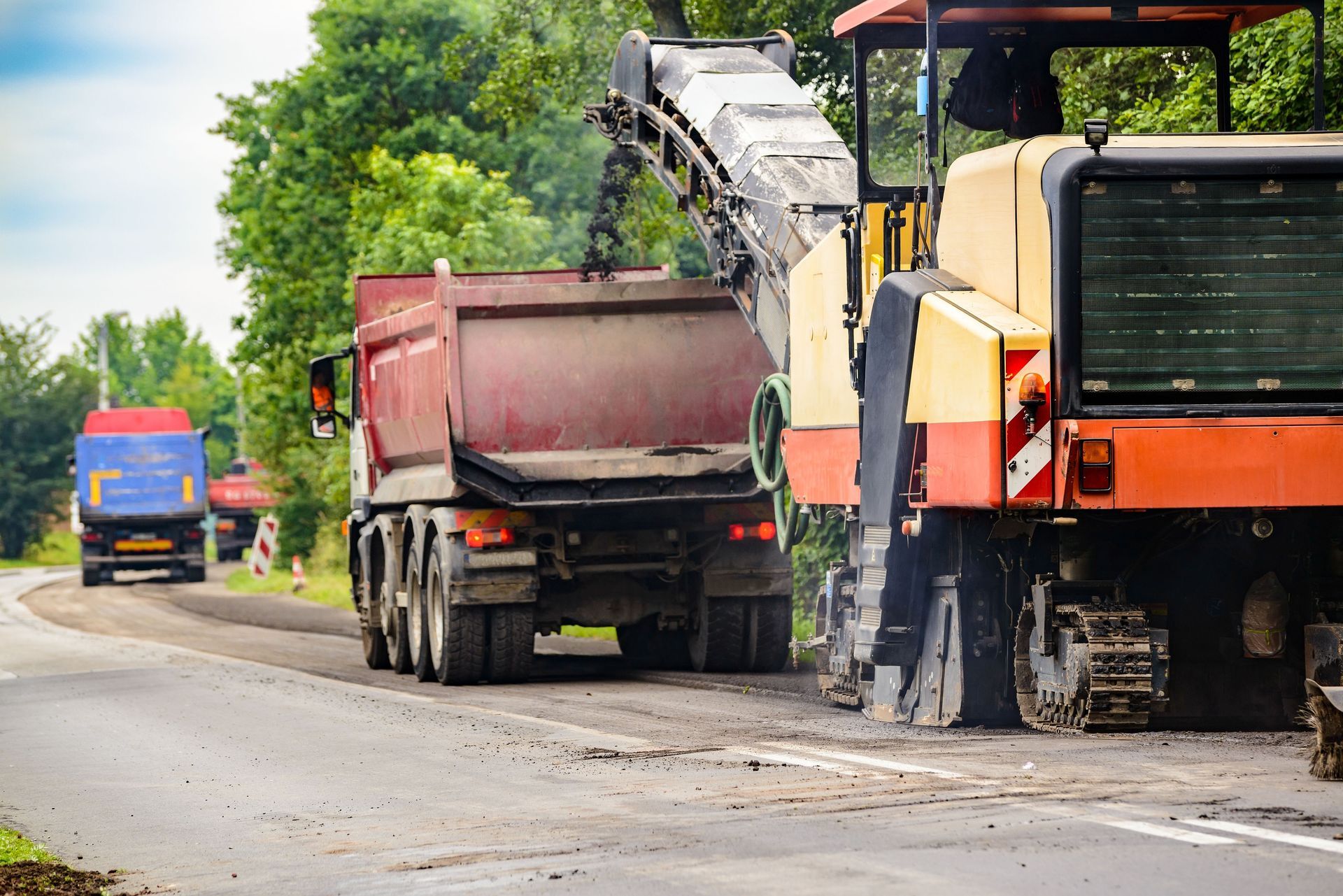
One of the main advantages of recycled asphalt is its ability to reuse materials from existing pavement instead of relying entirely on newly sourced resources. When an old asphalt surface is removed, the reclaimed material can be transported to a processing facility, where it is crushed and prepared for future use. This process allows usable asphalt components to remain part of the construction cycle rather than being discarded. According to the National Asphalt Pavement Association, more than 96% of reclaimed asphalt pavement is reused in new asphalt mixtures, while the remaining material is put toward other civil engineering applications. This widespread reuse demonstrates how reclaimed pavement can contribute to ongoing infrastructure and construction projects. For commercial paving applications, incorporating recycled material can help reduce the amount of new aggregate and asphalt binder needed, depending on the mixture design. The availability and quality of reclaimed material can influence how much recycled content is appropriate for a particular project. Property owners can discuss these considerations with their paving contractor when reviewing material options.
Managing Project Costs Through Material Reuse
Budget planning is an important part of maintaining commercial properties, especially when large paved areas require installation or resurfacing. Material costs can represent a significant portion of a paving project's overall expense, making efficient resource use an important consideration. Recycled asphalt may help reduce the need for certain newly sourced materials, depending on local availability, transportation expenses, and the project's specifications. These potential savings can make it an appealing option for businesses managing parking lots, private roads, and other paved surfaces. However, the final cost depends on several factors, including site preparation, grading, labor, equipment, and the amount of reclaimed material used. A commercial paving contractor can evaluate the property and provide an estimate based on the project's actual requirements. Property owners should compare complete project proposals rather than choosing a material based on price alone. Considering both installation costs and expected pavement performance helps businesses make more practical long-term decisions.
Supporting More Sustainable Construction Practices
Recycling asphalt supports construction practices that make better use of existing materials. Instead of sending usable pavement material to disposal facilities, contractors can process it for use in new paving mixtures or other approved applications. This approach can reduce the demand for virgin aggregates and help limit the amount of construction material that becomes waste. Businesses that prioritize responsible property improvements may appreciate the opportunity to incorporate reclaimed materials into suitable projects. Sustainable commercial paving also involves considering transportation, equipment use, material sourcing, and the expected service life of the finished surface. Recycled asphalt is not automatically the right choice for every application, so contractors must evaluate the project's performance requirements before selecting a mixture. Proper processing and quality control are important for ensuring that reclaimed material meets applicable specifications. When used appropriately, recycled asphalt can support resource conservation while contributing to functional pavement improvements.
Maintaining Reliable Pavement Performance
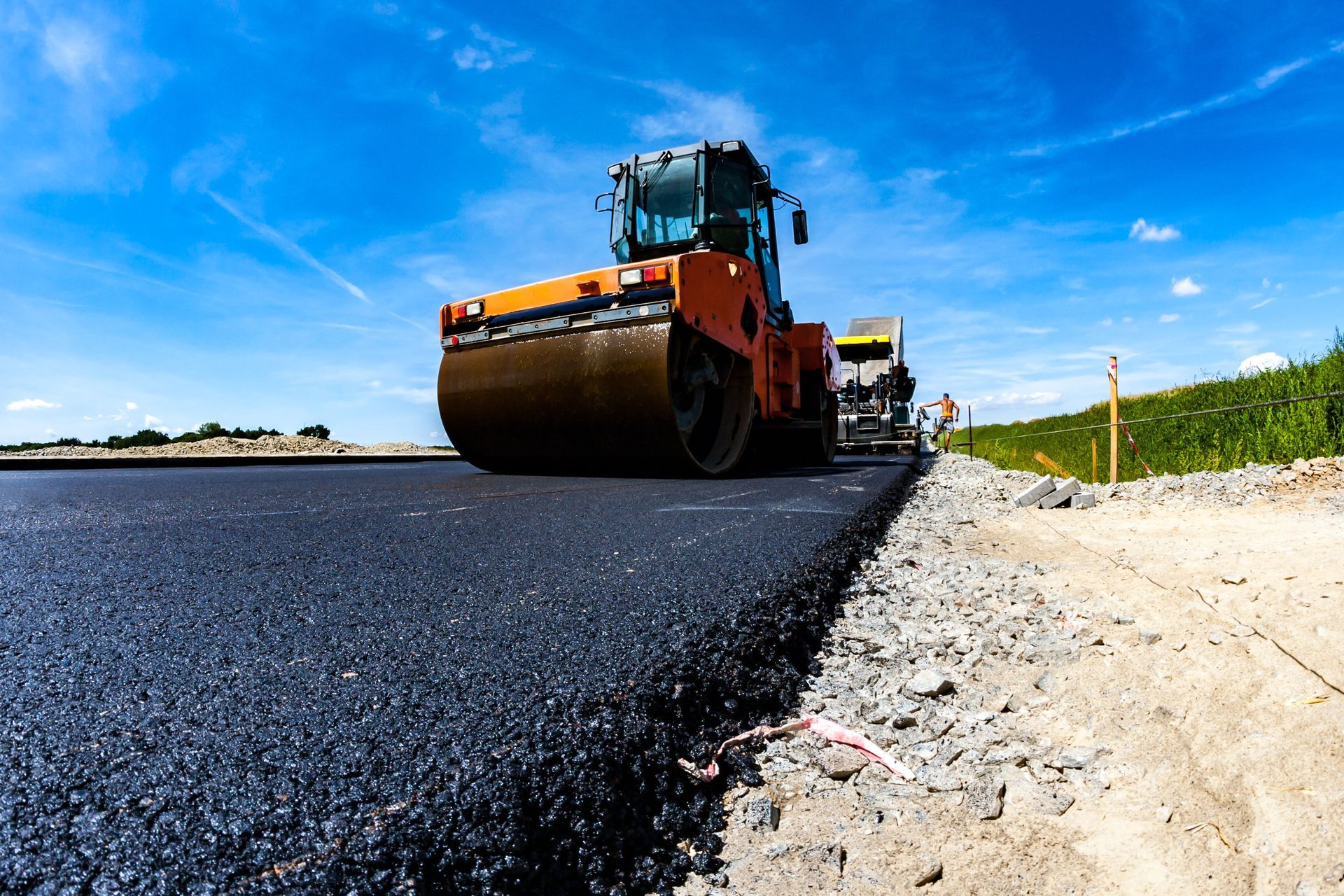
Commercial property owners need pavement that can handle regular vehicle movement without developing premature surface problems. Recycled asphalt can be incorporated into new asphalt mixtures designed to provide durability and dependable performance. Its suitability depends on the quality of the reclaimed material, the percentage included in the mixture, and the production process. Contractors must consider factors such as aggregate properties, binder characteristics, traffic demands, and environmental conditions when developing the appropriate mix. A properly designed commercial paving project should account for the types of vehicles using the surface, including passenger cars, delivery trucks, and heavier commercial vehicles. The pavement must also be installed with appropriate preparation, compaction, and drainage to support its intended use. Recycled content alone does not guarantee a durable result because workmanship and site conditions remain important. Property owners should discuss performance expectations with their contractor before deciding which asphalt mixture best fits the project.
Improving Existing Parking Lots and Access Roads
Parking lots and access roads are among the most common paved areas found at commercial properties. These surfaces must accommodate daily traffic while providing convenient movement for employees, customers, vendors, and delivery vehicles. Over time, repeated vehicle loads and exposure to rain, sunlight, and temperature changes can contribute to pavement deterioration. Recycled asphalt may be suitable for certain resurfacing or reconstruction applications, depending on the existing pavement's condition and the project's design. Before beginning work, contractors should evaluate cracking, drainage issues, base stability, and areas where the pavement has settled. These conditions help determine whether resurfacing is appropriate or whether more extensive reconstruction is necessary. A commercial paving contractor can also identify areas that require grading improvements to support proper water runoff. Selecting the right approach helps businesses improve the function and appearance of their paved areas while making informed use of available materials.
Reducing Construction Waste During Pavement Removal
Removing deteriorated asphalt can generate a substantial amount of material, particularly when a business needs to replace a large parking lot or roadway. Recycling gives contractors an opportunity to recover usable pavement instead of treating all removed asphalt as waste. The reclaimed material can be processed and evaluated for use in new asphalt mixtures or other appropriate construction applications. This can help reduce disposal requirements and make better use of resources already present at the project site or within the local supply chain. Commercial paving projects that incorporate recycled asphalt may therefore support more efficient material management from removal through installation. Contractors must still separate, process, and handle reclaimed material correctly to maintain quality. Businesses should ask how removed asphalt will be managed when reviewing project details and material options. Understanding the recycling process can help property owners see how pavement improvements may contribute to more responsible construction practices.
Planning Projects Around Site Conditions and Traffic Needs
Every commercial property has different paving requirements based on its layout, usage, and surrounding environment. A small customer parking area may experience different demands than a loading zone used by delivery trucks throughout the day. Soil conditions, existing pavement thickness, drainage patterns, and traffic volume can all influence the recommended construction method. Recycled asphalt should be considered as part of a complete project plan rather than selected without evaluating these factors. Contractors may recommend different material blends or construction approaches depending on the intended application. A well-planned commercial paving project should also account for traffic control, access to buildings, and scheduling to reduce disruptions to business operations. Property owners can work with their contractor to determine whether the project should be completed in phases or during periods of lower activity. Careful planning helps ensure that material decisions support the property's practical needs and long-term pavement goals.
Improve Your Property With Recycled Asphalt Options
Recycled asphalt offers commercial property owners an opportunity to reuse valuable materials while addressing pavement needs. When properly processed and incorporated into an appropriate mixture, reclaimed asphalt can support practical construction goals and reduce reliance on newly sourced resources. McKenzie Paving Inc can help businesses evaluate their paving requirements and determine which materials and installation methods are appropriate for their properties. Whether you are planning improvements to a parking lot, access road, or another paved area, a professional evaluation can help clarify the next steps. Contact us to discuss your project, review available material options, and plan dependable commercial paving improvements for your property.