March 25, 2026
Asphalt paving is a critical component of roadway construction, demanding precision and expertise to ensure longevity and a smooth finish. However, even seasoned professionals can make mistakes that may compromise the quality of the pavement. This article delves into common mistakes in asphalt paving, offering insights into how professional pavers manage to avoid them, thereby achieving dependable results. Engaging experienced asphalt paving services ensures these best practices are consistently applied for durable, long-lasting results.
Preparing Subgrade Effectively
Understanding the Importance of a Stable Foundation
The foundation or subgrade of any paving project is crucial as it supports the asphalt layers above. Without a stable foundation, the asphalt surface can quickly degrade, resulting in costly repairs. Evaluating the subgrade involves understanding the soil type and conditions. Professionals conduct thorough assessments to anticipate necessary modifications for stability. This foundational work ensures the asphalt surface's longevity and reduces premature failures, which is a core part of reputable asphalt paving services.
Identifying and Mitigating Soft Spots
Soft spots in a subgrade are weak points that can lead to asphalt cracking and rutting. Experienced pavers use specialized tools to detect these vulnerabilities in the subgrade before laying asphalt. Once identified, they reinforce these areas with additional material or apply improved compaction techniques. Addressing these soft spots is crucial to maintaining the integrity of the paved surface. Prevention at this stage can extend the life of the pavement significantly, highlighting why hiring trusted asphalt paving services is essential.
Choosing the Correct Asphalt Mix
Selecting the Right Mix for Climate Conditions
The selection of the appropriate asphalt mix is paramount to substantial pavement performance. Professionals assess local climate conditions to choose a mix that can withstand temperature fluctuations and precipitation. An incorrect mix may lead to significant issues like cracks or potholes under temperature stress. Expertise in asphalt mix selection can predict performance over temperatures ranging from extreme heat to cold. Thus, aligning the mix with climate specifics is a strategy professionals use to ensure durability and maximize the value of asphalt paving services.
Accounting for Load and Traffic Factors
Several critical factors influence asphalt mix design choices. These include the expected load, traffic volume, and environmental conditions. Asphalt specialists tailor the mix to optimize for flexibility and strength in specific site conditions. Testing protocols are employed to confirm these characteristics in mix designs. Crafting the right recipe ensures robust performance, significantly reducing repair frequency and extending pavement life, which is a key benefit of professional asphalt paving services.
Managing Compaction and Equipment
Timing Asphalt Compaction Correctly
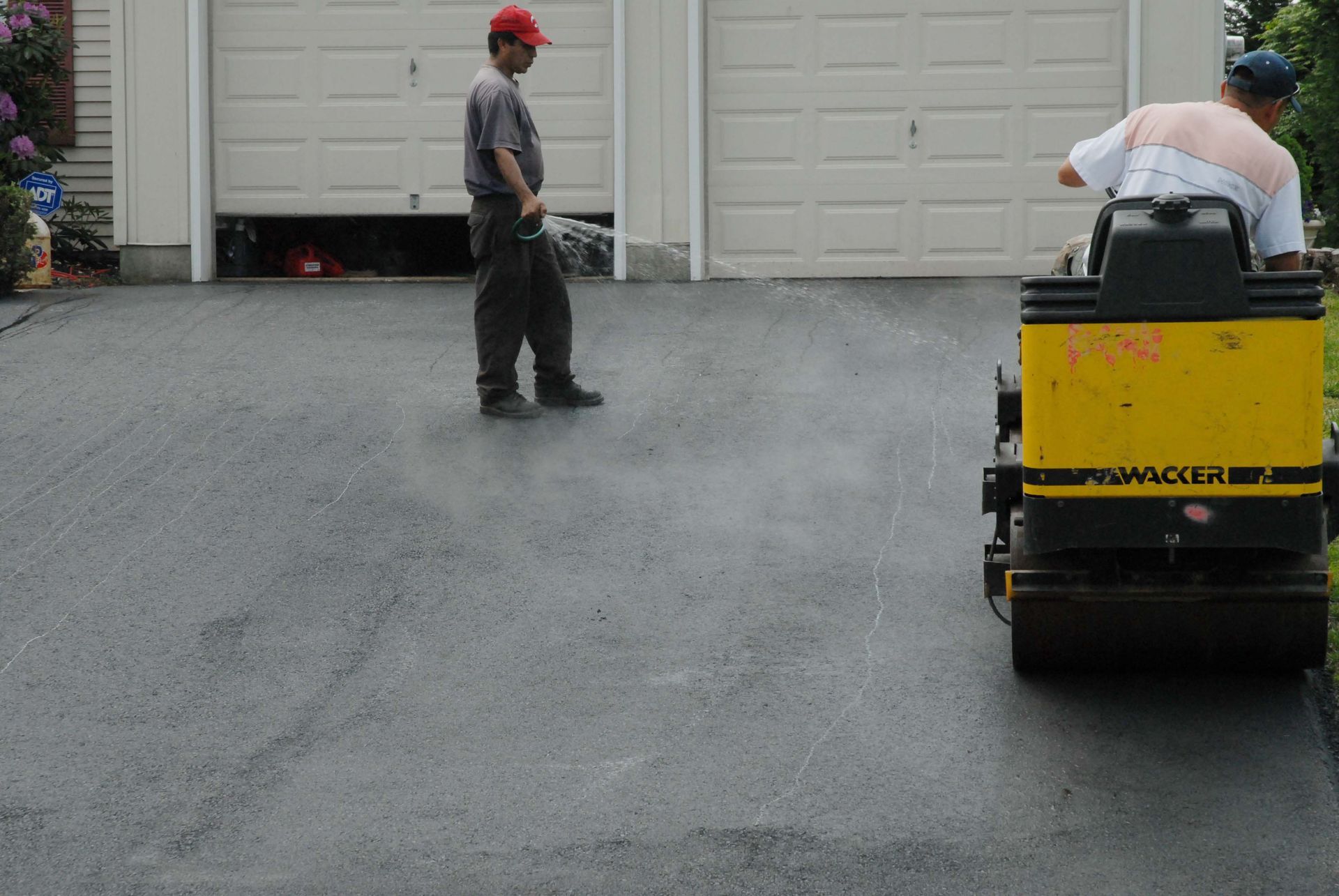
Timing is critical in the asphalt compaction process, influencing the final pavement strength and smoothness. Asphalt must be compacted while it is within an optimal temperature range to achieve the desired density. Prolonged delays in compaction reduce this window, compromising the pavement structure. The coordination between paving and compaction crews is essential to meet these time constraints. Mastery of timing not only improves quality but also extends asphalt lifespan.
Selecting Appropriate Compaction Equipment
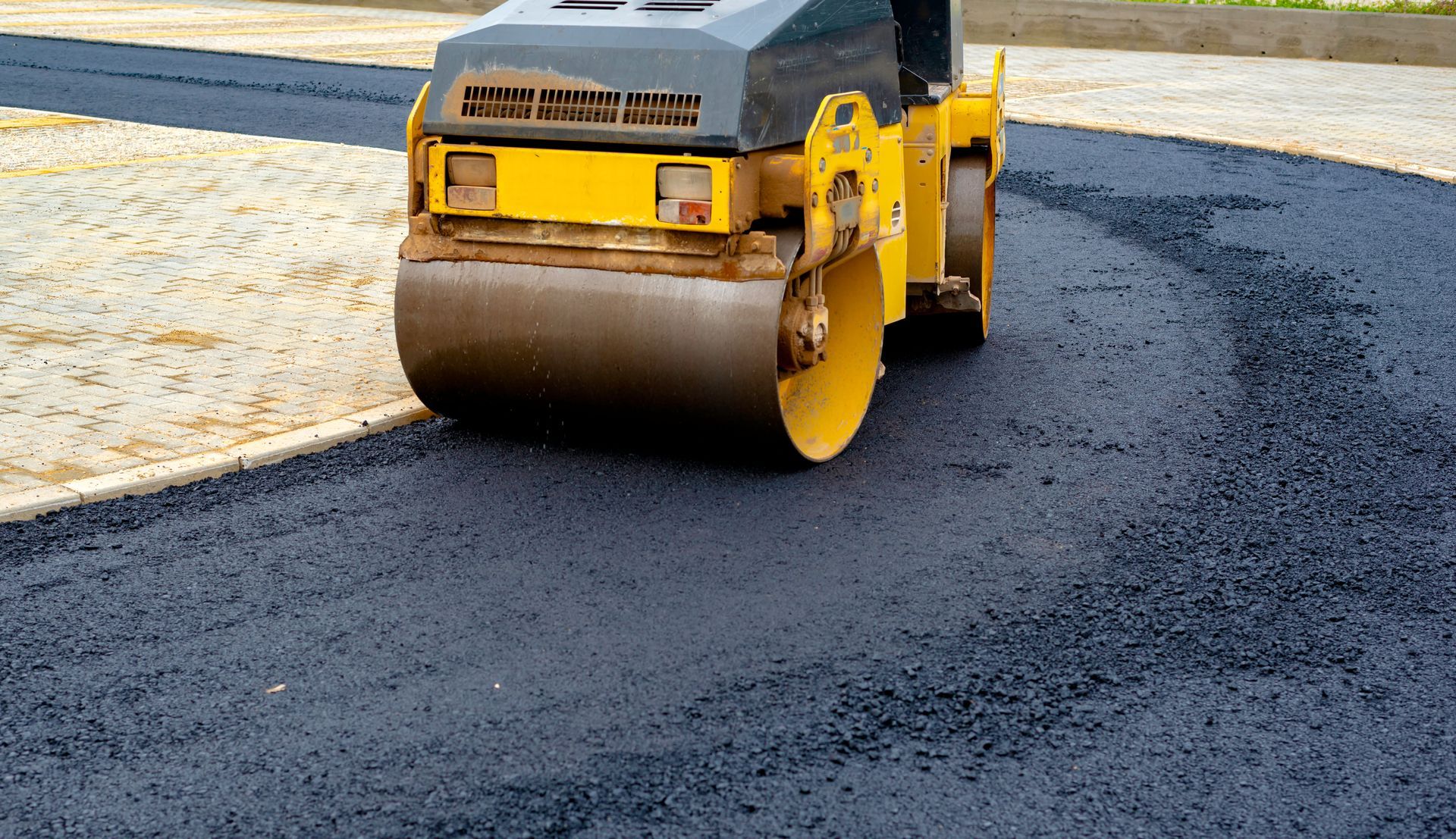
The right selection of compaction equipment is instrumental in achieving uniform density across the paved surface. Various machines, such as vibratory rollers and pneumatic tire rollers, have distinct functions and produce specific results. Professionals analyze the site conditions and choose equipment that complements the asphalt mix and layer thickness. Using incorrect machinery can lead to uneven surfaces and reduce pavement durability. Therefore, selecting suitable equipment is necessary for delivering robust pavements.
Optimizing Drainage Systems
Recognizing and Addressing Drainage Issues
Observing signs of poor drainage can alert professionals to potential issues early. Common indicators include puddles, water stains, and concentrated areas of moss or algae. These conditions can expedite deterioration by weakening the structural integrity of both the subgrade and asphalt layers. Recognizing such symptoms allows for timely intervention to prevent more significant failures. Proper maintenance and inspection routines can mitigate these potentially costly issues.
Designing Effective Water Runoff
Designing effective water runoff systems is a cornerstone of successful pavement management. Techniques involve creating grades and slopes that channel water away from the surface efficiently. Integrating materials that facilitate water movement and prevent clogging enhances system efficacy. Well-designed drainage systems significantly reduce the detrimental impacts of standing water. Such efforts protect the surface and extend the lifespan of the asphalt paving.
Enhancing Operational Efficiency
Streamlining Paving Operations
Efficiency in paving operations depends on smooth coordination and human resource management. Professionals advocate detailed planning and scheduling to mitigate downtime and resource wastage. Implementing a seamless workflow minimizes interruptions, allowing tasks to progress without unnecessary delays. This streamlining results in cost-effective paving projects that adhere to tighter timelines and budget constraints. Focusing on efficient operations results in better resource management and superior service delivery.
Leveraging Technology and Team Coordination
The synergy of a well-coordinated team is pivotal in conducting successful paving projects. Each member's responsibilities are clearly defined, promoting accountability and unified efforts. Communication channels remain open to enhance collaboration and solve emergent problems promptly. Advancements in technology such as GPS-enabled machines and automated rollers enhance precision and reduce manual errors. Adopting these technologies as standard practice increases overall productivity and consistent performance results, further demonstrating the value of professional asphalt paving services.
Anticipating Environmental Effects
Addressing Temperature Extremes
Temperature extremes are a challenge for asphalt pavement, influencing its structural integrity. High temperatures can cause softening, while extreme cold leads to brittleness, increasing crack occurrence. Professionals anticipate these issues by adapting asphalt mixtures with enhanced resistance properties. Selecting materials considerate of temperature fluctuations promotes robust pavement performance. Addressing these environmental elements allows pavements to endure through varying climate conditions.
Managing Humidity and Seasonal Variations
Humidity affects asphalt paving, especially during the laying and curing phases. High moisture levels can alter the consistency of asphalt mixes, impacting compaction and stability. Professionals deploy drying agents and moisture-mitigating strategies to counteract such influences. Seasonal variations present additional risks, such as freeze-thaw cycles in winter and expansive heat in summer. Professionals closely monitor these changes, adjusting practices and materials frequently. They schedule operations strategically to align with favorable conditions and minimize environmental impact, ensuring pavement longevity.
Applying Protective Measures Against Damage
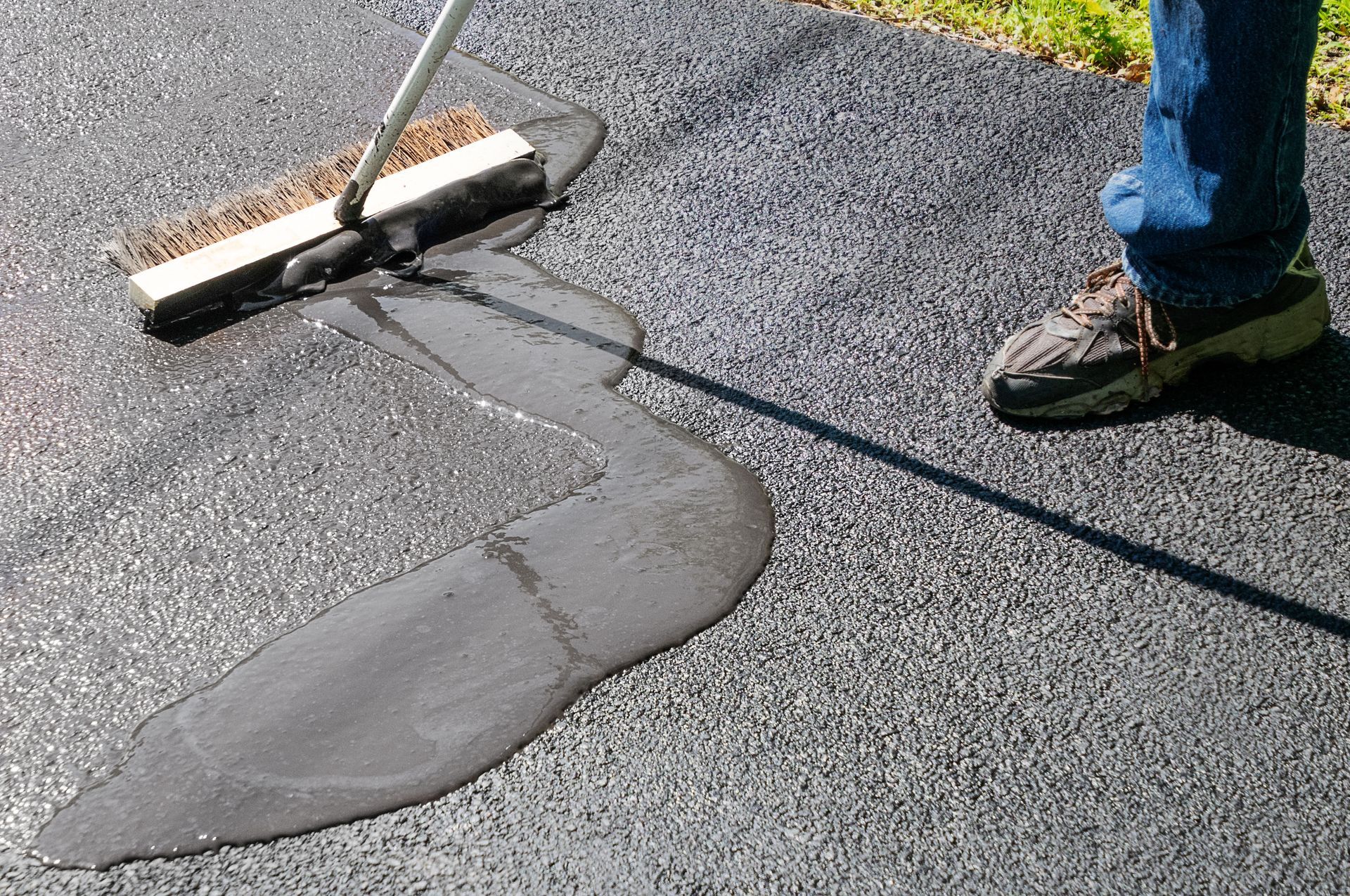
Preventive measures against environmental damage are essential in extending asphalt life. Sealing cracks and joints and applying protective coatings shields asphalt from water, UV rays, and chemical exposure. According to Gitnux, asphalt paving typically lasts 30 years, but tests show that it can last between 20 and 25 years. Regular inspections, combined with timely maintenance, address surface degradation before it worsens and prevent costly repairs. These protective initiatives help maintain the pavement's aesthetic appeal, structural integrity, and overall safety for everyday use.
Mastery in asphalt paving requires knowledge, attention to detail, and readiness to adapt to varying situations. By understanding common paving mistakes and learning how industry professionals prevent them, both new and experienced pavers can enhance the quality of their work. This not only contributes to the longevity of the roadways but also ensures safety and satisfaction for their users. Continuous learning and adaptation to new methods and technologies remain key in achieving paving excellence. Partnering with experienced professionals also ensures proper material selection, precise execution, and long-term performance, minimizing future maintenance needs. If you're looking to ensure top-quality paving for your property or project, contact McKenzie Paving Inc. today to schedule a consultation and see how their expertise in asphalt paving services can deliver durable, professional results.