March 11, 2026
Your driveway plays an important role in both the functionality and appearance of your home. It provides daily access for vehicles, contributes to curb appeal, and helps protect your property from drainage and surface issues. Among the various driveway materials available, asphalt remains one of the most widely used options due to its durability, affordability, and smooth finish.
However, many homeowners are not fully aware of how asphalt driveways perform over time or what factors influence their longevity. Weather conditions, vehicle traffic, and maintenance practices all affect how well the surface holds up. According to This Old House, assuming proper maintenance, 15-20 years is the average lifespan of an asphalt driveway. Understanding the characteristics of this material can help homeowners protect their investment and maintain a reliable driveway for many years. In this article, we will cover several important things to know about your asphalt driveway and how proper care supports long-term performance.
1. Understand How Asphalt Is Designed to Flex
One of the primary reasons asphalt is widely used for driveways is its ability to flex slightly under pressure. Unlike rigid surfaces such as concrete, asphalt contains aggregates and binders that allow the surface to adjust to minor ground movement and vehicle weight. This flexibility helps reduce the likelihood of sudden cracking under normal conditions.
Because of this design, asphalt performs well in areas that experience temperature changes throughout the year. The material expands during warmer temperatures and contracts slightly during colder weather, helping it adapt to seasonal shifts.
While flexibility is a strength, it also means the driveway requires proper installation and maintenance to remain stable. When the underlying base is prepared correctly and the surface is maintained over time, asphalt driveways can provide reliable performance for many years.
2. Recognize the Importance of a Strong Base
What lies beneath the driveway surface is just as important as the material itself. A properly constructed base layer supports the asphalt and helps distribute the weight of vehicles evenly across the surface. Without a stable base, even the highest-quality driveway material may begin to sink, shift, or crack prematurely.
The base typically consists of compacted gravel or crushed stone that provides both strength and drainage. This foundation allows water to move away from the surface while supporting the weight placed on the driveway.
When the base is installed correctly, it helps prevent uneven settling and structural weaknesses. Homeowners who understand the importance of this foundation are better prepared to appreciate the value of professional installation and long-term driveway performance.
3. Know That New Driveways Need Time to Cure
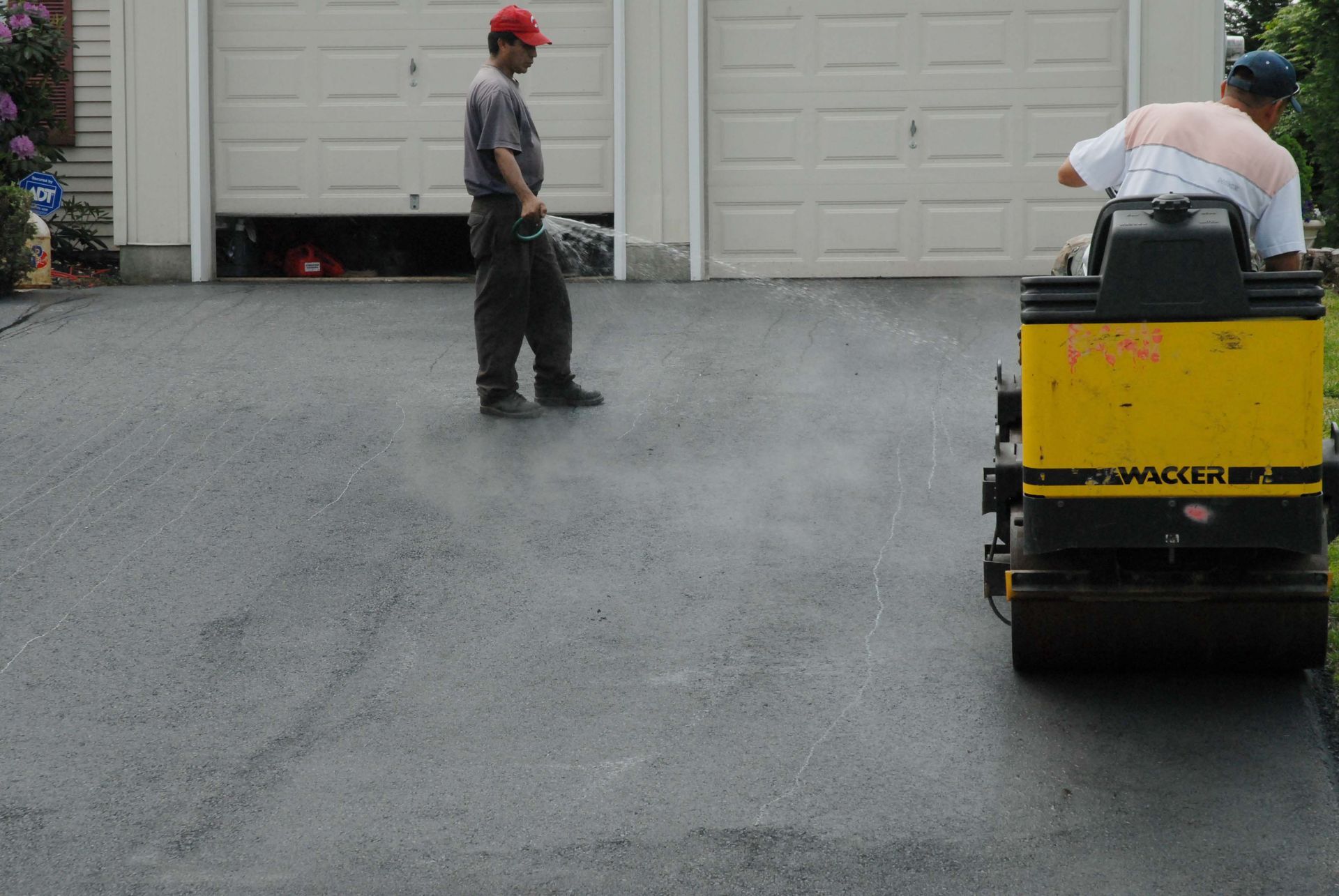
After installation, asphalt driveways require time to cure and harden fully. Although the surface may appear ready for use shortly after installation, the material continues to strengthen over several months as oils and binders settle and stabilize.
During this curing period, the driveway may be slightly more vulnerable to dents or surface marks from heavy objects. Parking large vehicles in the same location repeatedly may leave temporary impressions while the material continues to harden.
Allowing the driveway time to cure properly helps the surface reach its full durability. This natural curing process contributes to the long-term performance of the driveway and helps protect the surface from premature wear.
4. Expect Some Surface Changes Over Time
Asphalt surfaces naturally change in appearance as they age. New driveways often have a deep black color due to the presence of oils in the material. Over time, exposure to sunlight, oxygen, and weather conditions gradually fades the color to a lighter gray.
This change in appearance does not necessarily indicate damage or deterioration. It is simply a natural result of environmental exposure and the aging process of the material.
Homeowners should understand that some visual changes are expected and do not affect the structural performance of the driveway. However, monitoring the surface condition helps identify any early signs of wear that may benefit from professional maintenance.
5. Understand the Causes of Driveway Cracks
Cracks are one of the most common concerns homeowners encounter with asphalt driveways. While minor cracking may occur as the material ages, several factors can accelerate this process. Temperature fluctuations, ground movement, water infiltration, and heavy vehicle loads can all contribute to surface cracks.
Small cracks may seem insignificant at first, but they can gradually widen if moisture penetrates the surface. Water that enters these openings may freeze during colder months, expanding and causing further damage to the surrounding material.
Recognizing the early signs of cracking allows homeowners to address the issue before it spreads across the driveway. Preventative maintenance helps preserve the structure and prevents more extensive surface deterioration.
6. Learn the Role of Driveway Sealing
Sealing is an important maintenance step that helps protect asphalt from environmental damage. Sealcoating adds a protective layer that shields the driveway from moisture, ultraviolet rays, and chemical exposure such as oil or gasoline spills.
This protective layer slows the oxidation process that gradually weakens asphalt over time. It also helps maintain the driveway's appearance by restoring its darker color and creating a uniform surface.
While sealing does not repair structural damage, it plays a valuable role in preserving the surface and extending the life of the driveway. Periodic sealing helps maintain the material's durability and supports long-term performance.
7. Pay Attention to Drainage Around the Driveway
Proper drainage is essential for protecting driveway surfaces. When water collects or flows improperly across the surface, it can weaken the material and contribute to erosion beneath the driveway.
Standing water may slowly penetrate the surface and create soft areas that become vulnerable to cracking or sinking. Over time, poor drainage conditions can compromise the structural stability of the driveway.
A well-designed driveway installation includes grading and drainage considerations that help direct water away from the surface. Maintaining these drainage pathways helps protect asphalt from unnecessary moisture exposure.
8. Plan for Long-Term Driveway Replacement
Even with proper care and maintenance, every driveway eventually reaches the end of its lifespan. According to This Old House, assuming proper maintenance, 15-20 years is the average lifespan of an asphalt driveway. Over time, repeated weather exposure, traffic, and aging materials gradually reduce the surface's effectiveness.
Understanding this expected lifespan helps homeowners plan ahead for future driveway replacement. Monitoring the condition of the surface allows homeowners to anticipate when repairs or resurfacing may become necessary.
By being aware of these long-term expectations, homeowners can maintain their driveway more effectively and prepare for eventual upgrades when the time comes.
An asphalt driveway provides a durable and practical surface for daily vehicle access while enhancing the appearance of your home. However, like any exterior structure, it performs best when homeowners understand how the material behaves and what factors influence its longevity.
From recognizing how asphalt flexes under pressure to understanding curing time, cracking causes, and maintenance needs, these insights help homeowners care for their driveway more effectively. With proper installation and routine attention, asphalt driveways can deliver dependable performance for many years.
If you want to protect the longevity of your driveway and maintain its appearance, consider consulting with a professional driveway contractor at McKenzie Paving and Roofing. Our experienced team can evaluate the condition of your asphalt surface, recommend maintenance solutions, and help you keep your driveway strong and reliable for years to come. We look forward to hearing from you!